


- Water Monitoring · Aquaculture
Water Quality Monitoring in Aquaculture
Aquaread and NKE sensors and probes for dissolved oxygen, pH, conductivity, and turbidity, available as portable or fixed solutions, with real-time data.
- Home
- Products
- Water Quality Monitoring
Water quality monitoring in aquaculture is the step that allows a farmer to know, in real time, whether fish or oysters have the conditions they need. Dissolved oxygen, temperature, salinity, pH, and turbidity change from one hour to the next and can make the difference between healthy growth and production loss.
Ostryl Seatech brings Aquaread and NKE Instrumentation equipment to Romania for measuring these parameters, either as portable instruments for field checks or as fixed systems for continuous monitoring. From spot measurements to stations that transmit data automatically, the goal is the same: decisions based on figures, not impressions.
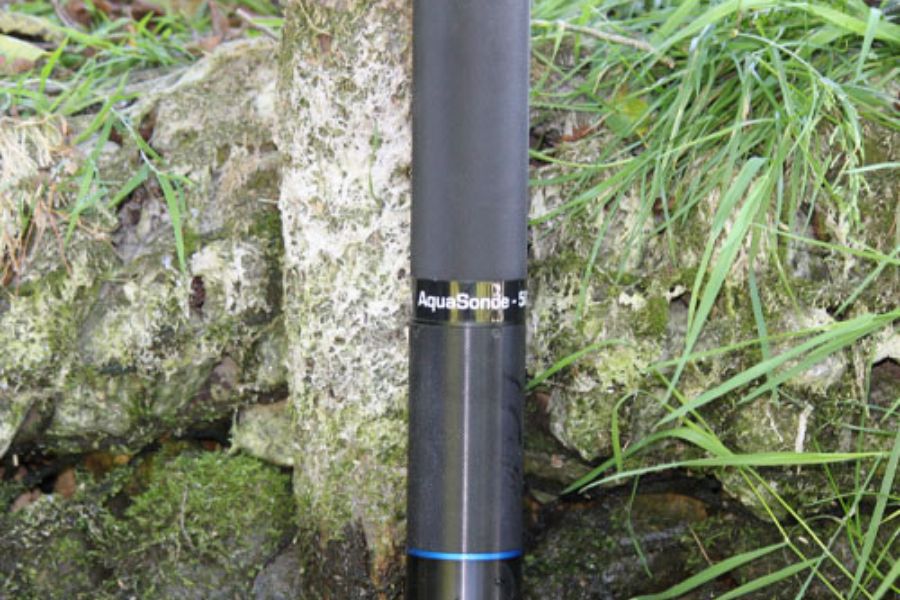
Why water quality matters in an aquaculture farm
Water quality directly determines growth rate, feed consumption, and mortality in an aquaculture farm. Low dissolved oxygen, temperature variations, or the accumulation of substances can stress fish and oysters. Regular parameter measurement allows intervention before a problem turns into a loss.
Water is the living environment of your production, and its parameters change naturally with temperature, feeding, density, and season. A drop in oxygen at night or after a hot day can go unnoticed without measurements. With up-to-date data, you can adjust aeration, feeding, or water circulation at the right moment.
What water parameters are measured
Not every farm needs all parameters. A trout farm can start well with the “big four”, oxygen, conductivity, pH, and temperature, while a marine project or long-term research may require a probe with multiple sensors.
Dissolved Oxygen (DO)
The critical parameter for fish; sudden drops quickly lead to stress.
Conductivity / Salinity
Relevant for marine species and oyster lagoons.
Temperature
Affects metabolism, appetite, and oxygen solubility.
pH and ORP
Indicate the chemical balance of the water.
Turbidity
Water clarity; useful for detecting particle load.
Chlorophyll / Phycocyanin
Indicators of algae and bloom risk.
Fixed or portable solutions, how to choose
Portable equipment is suitable for spot checks in several locations, with readings taken on site. Fixed solutions remain installed and measure continuously, with automatic data transmission. Many Aquaread and NKE probes can operate in both ways, through Modbus and SDI-12 protocols or Bluetooth applications
If you perform daily checks and move between tanks, a portable probe with a handheld meter covers the need. If you want non-stop monitoring without being present, choose a fixed probe with a data transmission system. The practical difference depends on how often you need data and whether you want automatic alerts.
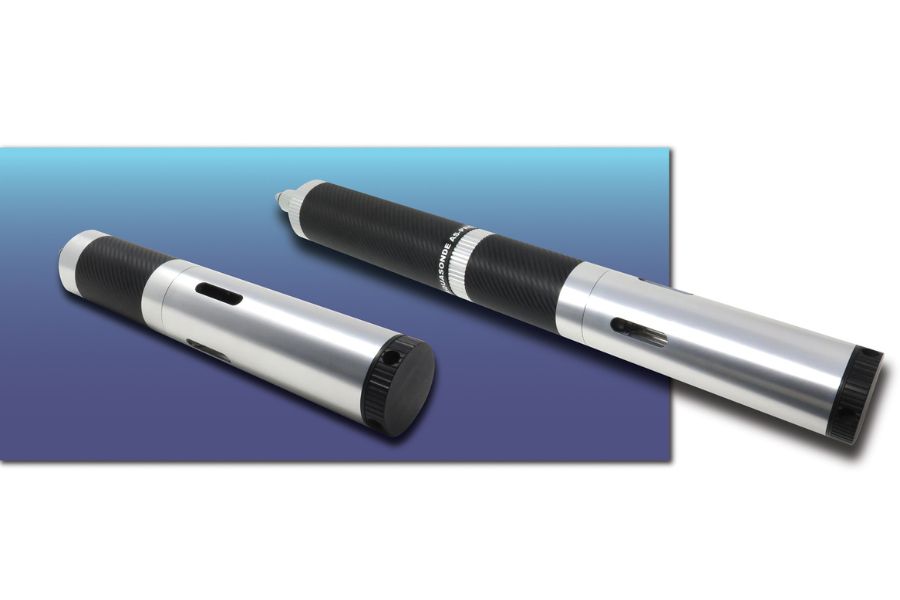
Portable equipment
Aquaplus and AP-700 / AP-800 packages, with the GPS Aquameter or Bluelink device.
Fixed systems
AP-7000 with self-cleaning and NKE WiMo+, for long-term deployment and data transmission.
Instruments available through Ostryl Seatech
Ostryl Seatech distributes in Romania the water monitoring instruments developed by Aquaread and NKE Instrumentation. Aquaread is part of the NKE group. The range covers everything from a compact probe for a single set of essential parameters to systems with multiple configurable sensors.
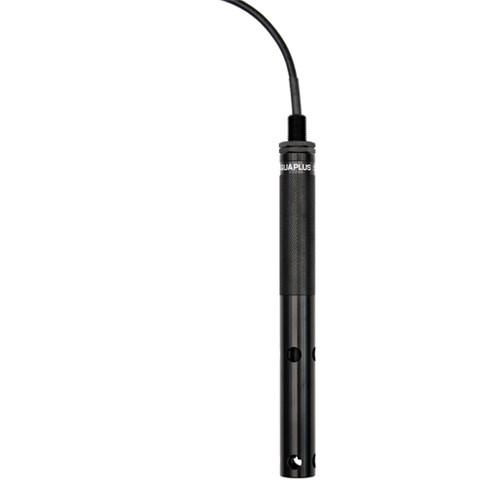
Compact probe for dissolved oxygen, conductivity, and temperature, with an optical sensor.
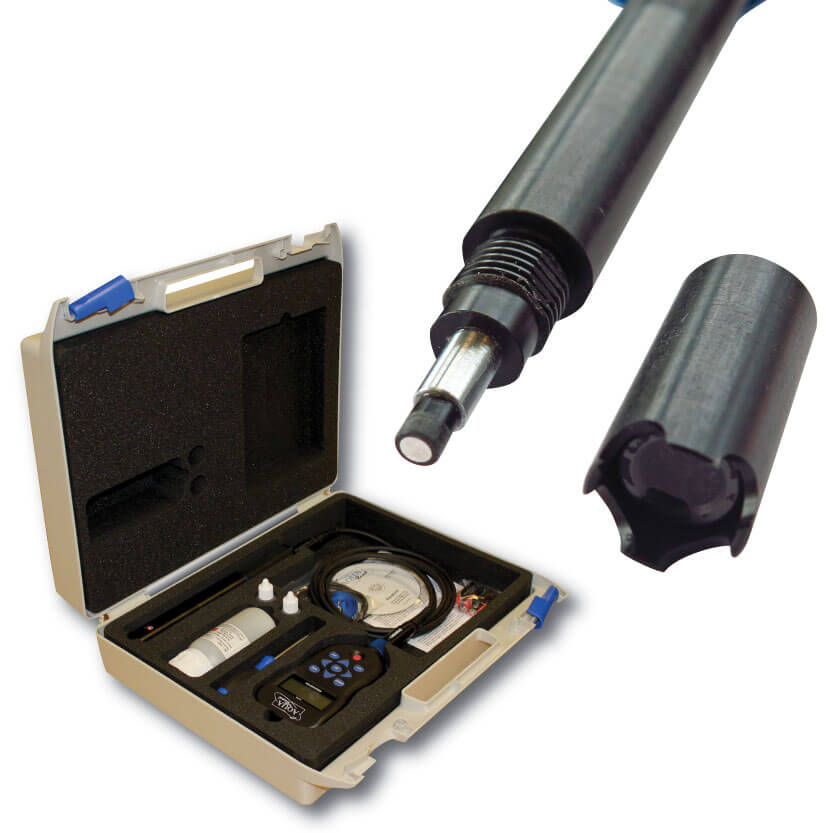
Aquaread multiparameter probes
AP-700, AP-800, and AP-7000, from basic packages to long-term deployment.
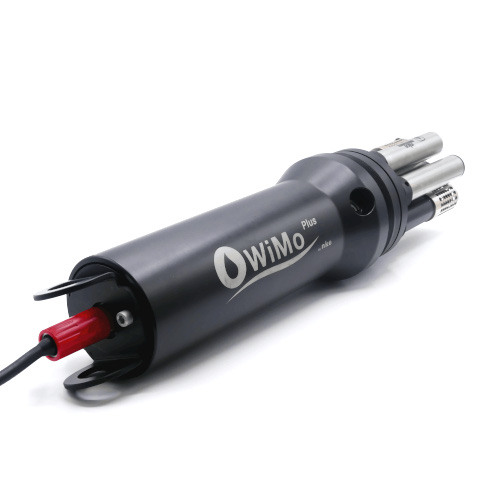
Multiparameter probe for high accuracy and long-term monitoring, with a web interface.
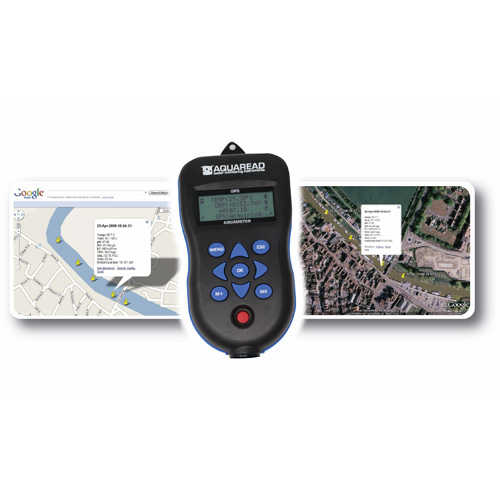
Telemetry and data transmission
GPS Aquameter and Bluelink for reading, calibration, and logging.
Frequently Asked Questions
What water parameters should be monitored in a fish farm?
The most important parameters are dissolved oxygen, temperature, and pH, with conductivity added for marine species and turbidity for water clarity. Dissolved oxygen is usually the critical parameter, because sudden drops quickly affect fish. A multiparameter probe measures several of these parameters simultaneously.
What is the difference between a portable probe and a fixed probe?
A portable probe is used for spot checks, with readings taken on site through a handheld meter or phone. A fixed probe remains installed and measures continuously, transmitting data automatically. Some Aquaread and NKE models can work in both modes, depending on the accessories used to configure them.
How is dissolved oxygen measured in water?
Dissolved oxygen is measured with a sensor immersed in the water, either galvanic or optical. Optical sensors, like the one in Aquaplus, use luminescence and do not consume oxygen, so they do not require water circulation and maintain calibration for longer. The value is expressed in mg/L or as a percentage of saturation.
What equipment is suitable for a small trout farm?
For a small trout farm, a basic package with oxygen, pH, conductivity, and temperature covers daily needs. The AP-800 model adds turbidity, which is useful for less experienced operators. For an exact recommendation, take into account the number of tanks and the stocking density.
Tell us what species you grow, what type of farm you have, and which parameters you want to monitor, and we will recommend the right configuration.